The Complete Direct Auto Insurance Careers Work From Home Guide: Roles, Skills, and Reality
Finding a Direct Auto Insurance Careers Work From Home Guide reveals a path into a specialized niche of the insurance industry focused on high-risk drivers. These remote roles allow professionals to manage non-standard policies, claims, and customer relations from a home office while maintaining the backing of a major national carrier.
- •Navigating the Direct Auto Insurance Careers Work From Home Guide
- •The "Non-Standard" Misconception: A Professional Revelation
- ◦Key Specializations within the Direct Auto Insurance Careers Work From Home Guide
- •Structural Breakdown of Remote Roles
- •The Technological Requirements of a Home Office
- •Professional Development and Remote Culture
- •The Daily Rhythm of a Remote Insurance Professional
- •Overcoming the Isolation of the Virtual Office
- •Why the Non-Standard Market is Recession-Resistant
- •Reflecting on the Remote Insurance Path
- ◦Frequently Asked Questions
- ◦Do I need a license before I apply for a remote role?
- ◦Is the equipment provided, or do I need my own?
- ◦Are these roles strictly 9-to-5?
As we look closer at the shift toward distributed workforces, the insurance sector has emerged as a leader in flexible employment. Our research into these virtual opportunities shows that beyond the convenience of a home office, these positions offer a unique entry point into a resilient industry where specialized knowledge in SR-22 filings and non-standard coverage creates long-term career stability.
Navigating the Direct Auto Insurance Careers Work From Home Guide
The landscape of the insurance industry has shifted dramatically over the last few years, moving from sterile cubicle farms to dynamic, cloud-based environments. When we analyze the specific opportunities within Direct Auto, we see a company that has leaned heavily into the "non-standard" market. This isn't just a buzzword; it refers to providing coverage for drivers who might be turned away by other carriers due to their driving history, credit score, or the need for specialized filings like an SR-22. Working for direct auto insurance means operating at the intersection of high-stakes risk management and empathetic customer service.
From our perspective as researchers, the most compelling aspect of this career path is the stability provided by its parent organization. Direct Auto is a subsidiary of National General, which is itself an Allstate company. This corporate lineage is vital for anyone looking for remote work because it ensures the technological infrastructure is robust. You aren't just working for a small local agency; you are plugged into a massive, sophisticated digital ecosystem that supports thousands of remote employees. This means the transition to a home office isn't an afterthought—it’s a core part of their operational strategy.
When you begin looking at is auto insurance a good career choice in 2026?, the answer often hinges on how well a company adapts to digital transformation. Direct Auto has positioned itself as a "direct-to-consumer" leader, which naturally lends itself to remote work. Because the business model focuses on reaching customers through digital channels and phone systems rather than physical storefronts, the transition to a work-from-home model was more of an evolution than a disruption.
The "Non-Standard" Misconception: A Professional Revelation
We often encounter a persistent myth that working in non-standard insurance is somehow "lesser" than working for a traditional, preferred-risk carrier. There is a common knowledge gap where people assume these roles are essentially high-pressure debt collection or low-skill telemarketing. This couldn't be further from the truth. In fact, we’ve observed that remote professionals in the non-standard space often develop a much sharper set of skills than their counterparts in standard insurance.
The reality is that non-standard insurance requires a deeper understanding of state-specific regulations and legal mandates. For example, helping a customer through an SR-22 filing—a document required by a state’s department of motor vehicles to prove a driver has the minimum required insurance—demands precision and legal literacy. If a remote agent misses a detail, it could lead to the customer losing their license. This high-responsibility environment transforms a "customer service job" into a specialized consultancy role. The "aha" moment for many new hires comes when they realize they are helping people reclaim their mobility and livelihood, often after a period of significant stress.
Key Specializations within the Direct Auto Insurance Careers Work From Home Guide
The diversity of roles available in a remote capacity is broader than most applicants realize. While sales and service are the most visible, the backend operations are equally robust. We have identified several core tracks that define the remote experience at Direct Auto:
- Digital Claims Adjusting: Gone are the days when every claim required a physical visit. Remote adjusters now use high-definition photos, video streams, and telematics data to estimate damages from their home office. This role requires a blend of technical knowledge about vehicle repair and a keen eye for fraud detection.
- Bilingual Sales and Support: Direct Auto serves a diverse demographic. We’ve noticed a significant demand for remote workers who are fluent in both English and Spanish, as this allows the company to reach underserved markets more effectively.
- Underwriting and Risk Assessment: Even in a remote setting, underwriters work behind the scenes to determine the viability of a policy. This involves analyzing complex data sets to ensure the company is pricing risk accurately.
- Compliance and Regulatory Oversight: Because non-standard insurance is so heavily regulated, there are entire teams dedicated to ensuring every remote interaction meets state and federal guidelines.
For those just starting, exploring remote auto insurance claims careers for beginners can provide a structured entry point into these specialized tracks. The training programs are typically comprehensive, covering everything from policy terminology to the specific software used to track claims and interact with customers.
Structural Breakdown of Remote Roles
To help visualize where you might fit within this ecosystem, we have categorized the most common remote paths based on their core functions and the level of experience typically required.
| Role Category | Primary Focus | Key Requirement | Career Level |
|---|---|---|---|
| Sales Agent | Policy Acquisition | Active P&C License | Entry to Mid |
| Claims Representative | Damage Verification | Analytical Skills | Entry to Mid |
| Underwriter | Risk Calculation | Data Literacy | Advanced |
| Customer Success | Retention & Support | Empathy/Problem Solving | Entry Level |
| Bilingual Specialist | Cross-Cultural Support | Native Fluency | Entry to Mid |
The Technological Requirements of a Home Office
One overlooked detail our team often encounters is the specific hardware and software requirements that come with these roles. Working for a major carrier like Direct Auto isn't as simple as opening a laptop on your kitchen table. Because of the sensitive nature of customer data—including Social Security numbers, driving records, and financial information—the security protocols are intense.
Typically, the company provides the necessary hardware. This usually includes a dedicated thin-client computer or a locked-down laptop, dual monitors (which are essential for managing multiple windows like policy documents and CRM software), and a secure VoIP headset. You won't be using your personal internet connection in the traditional sense; most remote insurance roles require a hardwired ethernet connection to ensure stability and security. Wi-Fi is often discouraged or outright banned for live customer interactions due to the risk of packet loss or signal interference.
On the software side, you will likely work within a proprietary environment that integrates several systems. We often see platforms like Salesforce or Guidewire being used to manage the customer lifecycle. Learning these systems is a significant part of the initial onboarding process. It’s not just about knowing how to click buttons; it’s about understanding how data flows from a customer’s initial quote through to the underwriting department and eventually into a long-term policy file.
Professional Development and Remote Culture

A common concern we hear is that working from home leads to career stagnation. "If I’m not in the office, how will I get promoted?" In our observations of the Direct Auto ecosystem, the opposite is often true. Because the company is so large, they have developed sophisticated "virtual career ladders."
The path usually begins in a high-volume role like customer service or claims intake. However, once you have mastered the basics of non-standard risk, the doors open to more specialized areas. For instance, many people move from general customer support into specialized SR-22 compliance or high-value claims adjusting. The company often supports this growth by providing resources for employees to obtain their Property and Casualty (P&C) licenses, which are the "gold standard" for professional advancement in the industry.
If you are looking for a starting point, checking out home and auto insurance careers entry level roles can give you a sense of the baseline requirements. Many of these positions are designed to be "feeder roles" that prepare you for management or specialized technical positions within 18 to 24 months.
The Daily Rhythm of a Remote Insurance Professional
What does a day actually look like when you are following the Direct Auto Insurance Careers Work From Home Guide? It’s a mix of structured "queue time" and independent project work. For those in sales or service, the day is governed by a phone queue. However, unlike traditional call centers, the focus is on quality and accuracy. Because the clients are often in complex situations, the interactions are more involved. You might spend twenty minutes helping a single mother understand why her premium changed or assisting a young driver in getting the right paperwork to the DMV to keep their job.
For claims adjusters, the day is more about investigation. You might start by reviewing a set of photos uploaded via a mobile app. You'll compare the damage to the policy coverage, check for any inconsistencies that might suggest fraud, and then communicate with a local repair shop to authorize work. It’s a puzzle-solving environment that requires a high degree of self-motivation. Without a manager hovering over your shoulder, you have to be disciplined enough to manage your caseload efficiently while maintaining a high level of accuracy.
Overcoming the Isolation of the Virtual Office
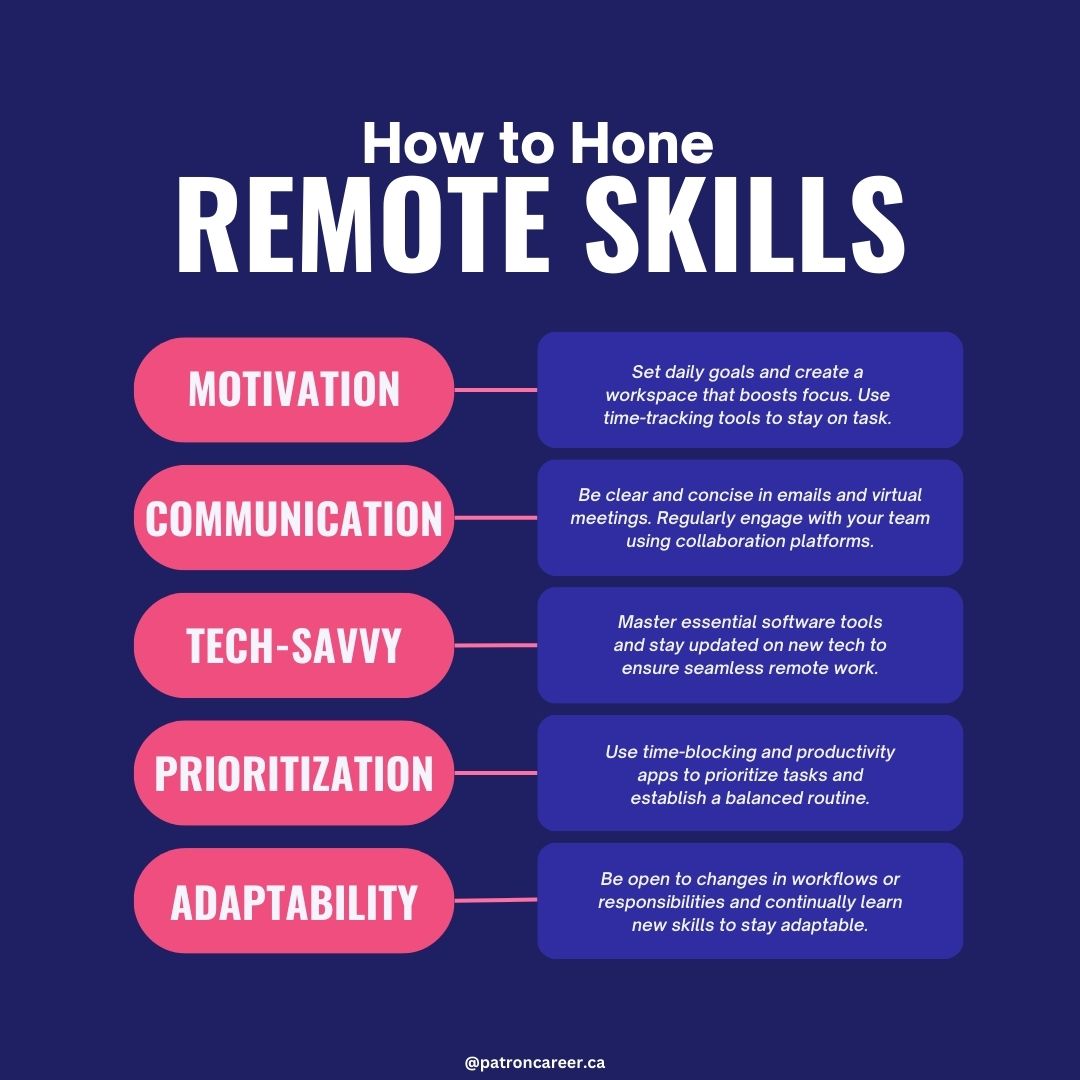
We’ve found that the most successful remote employees are those who proactively seek out connection. Direct Auto utilizes tools like Microsoft Teams or Slack to keep their distributed workforce engaged. There are virtual "huddles" every morning to discuss goals and updates, and often "brown bag" lunch sessions where veteran adjusters share tips on handling difficult cases.
But let’s be honest: remote work isn't for everyone. It requires a specific temperament. You have to be comfortable with silence and capable of creating your own "work-life" boundaries. When your office is ten feet from your bed, the temptation to work late or check emails during dinner is real. The most seasoned professionals we talk to emphasize the importance of a "shutdown ritual"—literally turning off the computer and walking away at the end of the shift to signal to your brain that the workday is over.
Why the Non-Standard Market is Recession-Resistant
An interesting historical quirk of the insurance industry is that the non-standard market often remains stable even when the broader economy fluctuates. People still need to drive to work, regardless of the economic climate. In fact, during lean times, more people may find themselves in the non-standard market due to missed payments or credit score dips, actually increasing the demand for Direct Auto’s services.
This systemic truth provides a level of job security that is rare in other remote-heavy industries like tech or retail. When we analyze the long-term viability of these roles, we see a sector that isn't going away. As long as there are cars on the road and state mandates for insurance, there will be a need for skilled professionals to manage those risks. By positioning yourself within this niche, you are essentially "future-proofing" your career against market volatility.
Reflecting on the Remote Insurance Path
Choosing to follow a Direct Auto Insurance Careers Work From Home Guide is about more than just finding a job that lets you wear sweatpants. It is about entering a sophisticated, data-driven industry that serves a vital social function. It requires a unique blend of technical skill, legal understanding, and genuine human empathy.
While the "non-standard" label might sound intimidating at first, it actually represents one of the most intellectually stimulating and stable corners of the financial services world. Whether you are helping a driver get back on the road after a mistake or carefully calculating the risk of a new policy, you are part of a system that keeps society moving. As the world continues to move toward digital-first interactions, those who master the art of remote insurance will find themselves in high demand for years to come.
Frequently Asked Questions
Do I need a license before I apply for a remote role?
Not necessarily. Many entry-level roles at Direct Auto offer paid training and will even cover the costs for you to obtain your Property and Casualty (P&C) license. However, having a license beforehand can often lead to a higher starting salary and a faster onboarding process.
Is the equipment provided, or do I need my own?
For most roles, especially those involving sensitive customer data, Direct Auto provides the necessary hardware, including a computer, monitors, and headsets. You are generally responsible for providing a high-speed, reliable internet connection and a quiet, private workspace.
Are these roles strictly 9-to-5?
While many roles follow standard business hours, the nature of insurance means there are often shifts available for evenings and weekends to accommodate customers across different time zones. This can offer additional flexibility for those who prefer non-traditional schedules.


Comments
Post a Comment