Navigating Home and Auto Insurance Careers Entry Level Roles: A Modern Guide


Home and Auto Insurance Careers Entry Level Roles represent the foundational bridge between the complex world of risk management and the everyday needs of property owners and drivers. These positions—ranging from claims processing to customer service—provide the essential training ground for professionals to learn how to mitigate financial loss while developing the technical expertise required for long-term career advancement in the financial services sector.
- •The Real Landscape of Home and Auto Insurance Careers Entry Level Roles
- •Debunking the "Boring Desk Job" Myth
- ◦Navigating the Diversity of Home and Auto Insurance Careers Entry Level Roles
- •The Mechanics of Claims and Underwriting Support
- •Essential Competencies and Modern Skillsets
- •A Taxonomy of Entry-Level Insurance Positions
- •The Remote Revolution in Entry-Level Insurance
- •Career Trajectories and Growth Potential
- •The "Hidden" Benefits of the Insurance Sector
- •Practical Steps to Getting Hired
- •Final Reflections on the Industry
- ◦Frequently Asked Questions
- ◦Do I need a specific degree for entry-level insurance roles?
- ◦How long does it take to get licensed?
- ◦Is it possible to move from auto insurance into other types of insurance?
While many view insurance as a static industry, our research suggests it is one of the most resilient and intellectually stimulating career paths available today. We’ve designed this guide to move past dry job descriptions and explore how these roles actually function as high-growth springboards for anyone looking to enter the corporate world without a decade of prior experience.
The Real Landscape of Home and Auto Insurance Careers Entry Level Roles
When we analyze the current hiring market, we see a sector that is undergoing a massive shift. Historically, entering the insurance field meant sitting in a local agency office, filing paper claims, and cold-calling neighbors. Today, the landscape of home and auto insurance careers entry level roles is defined by data literacy, digital empathy, and high-speed problem-solving. This industry is a cornerstone of the global economy, and for a newcomer, it offers a rare combination of stability and a steep learning curve.
Based on our observations, the primary appeal of starting here isn't just the paycheck—it’s the structural exposure to how the world manages "what if" scenarios. Whether you are helping a family recover after a house fire or assisting a driver after a fender bender, you are operating at the intersection of law, finance, and human psychology. According to a guardian jobs guide to entry level finance, insurance companies protect people and businesses against financial loss, and specializing in home or car insurance is one of the most common ways to break into the broader financial services sector.
An overlooked detail our team often encounters is the sheer variety of paths available right from the start. You aren't just an "insurance person." You might be a Claims Adjuster Trainee, an Underwriting Assistant, or a Business Development Associate. Each of these roles requires a different cognitive profile. Some favor the analytical mind that loves to dig into policy language, while others favor the empathetic communicator who can de-escalate a stressful situation over the phone.
Debunking the "Boring Desk Job" Myth
We need to address the elephant in the room: the widespread misconception that insurance is where excitement goes to die. This is the "knowledge gap" that keeps many talented graduates from considering the field. In reality, entry-level insurance roles are more akin to being a private investigator mixed with a financial consultant.
When we look at claims adjusting, for example, the job is anything but repetitive. One day you might be analyzing drone footage of a roof damaged by hail, and the next, you’re investigating a complex multi-vehicle accident involving disputed liability. The "aha" moment for most new hires comes when they realize they aren't just pushing paper; they are solving puzzles that have real-world financial consequences.
The industry is a leader in workplace equity. Our research into top jobs and industries for equal pay shows that women are exceptionally well-represented at the entry level in insurance and financial services. While the path to the C-suite is still evolving, the starting line is one of the most level playing fields in the modern economy. This makes it an ideal environment for those who want their performance to be the primary driver of their career trajectory.
Navigating the Diversity of Home and Auto Insurance Careers Entry Level Roles
To find your fit, you have to understand the three main pillars of the industry: Sales, Claims, and Underwriting. Most home and auto insurance careers entry level roles fall into one of these buckets, and each offers a distinct "flavor" of professional life.
Sales and Agency roles are about growth. You are the face of the brand, helping people find the right coverage. It’s a misconception that this is all "salesy" pressure; much of it is educational. Underwriting Assistants, on the other hand, are the gatekeepers. They help the senior underwriters decide which risks the company should take on. If you enjoy logic and "if-then" scenarios, this is your home. Then there is the claims department—the "promise-keepers" of the industry. This is where the rubber meets the road, and you ensure that when things go wrong, the policyholder is made whole.
If you're wondering if this is the right move for you long-term, it's worth asking, is auto insurance a good career choice in 2026? The answer usually lies in the industry's ability to adapt to new technologies like autonomous vehicles and smart home sensors, which are creating entirely new types of entry-level positions.
The Mechanics of Claims and Underwriting Support
Let’s talk about how the industry actually works behind the scenes. When you start in an entry-level claims role, you aren't immediately handed a million-dollar settlement authority. You start with "limited authority," often handling "Express" or "Fast-Track" claims. This is a brilliant structural mechanism for learning. You handle low-complexity losses—like a cracked windshield or a stolen bicycle—to understand the logic of policy exclusions and limits.
In underwriting support, the mechanism is data verification. You might be the person ensuring that a home’s square footage matches the public records or that a driver’s motor vehicle record (MVR) is accurately reflected in the quote. It sounds granular, but it’s the foundation of the "Law of Large Numbers." If the data going in is wrong, the company’s risk calculations fail. As an entry-level professional, you are essentially the guardian of the company's profitability.
For those who prefer a non-traditional office setting, the rise of remote auto insurance claims careers for beginners has changed the game. You can now perform many of these investigative and administrative tasks from a home office, using digital tools to estimate damages and communicate with contractors or repair shops. This shift has made the industry far more accessible to a diverse workforce that values flexibility.
Essential Competencies and Modern Skillsets

What does it actually take to thrive in these roles? It’s not a degree in "Insurance" (though those exist). Based on our deep observation of successful new hires, the most critical skill is "Technical Empathy." This is the ability to deliver complex, sometimes disappointing news (like a claim denial based on a specific policy exclusion) with a high degree of professional empathy.
Because the industry is so heavily regulated, attention to detail isn't just a buzzword—it’s a legal requirement. A single typo in a policy endorsement can lead to massive legal headaches. But don't let that intimidate you. Most large carriers have some of the most robust training programs in the corporate world. They don't expect you to know the difference between "replacement cost" and "actual cash value" on day one; they expect you to have the cognitive agility to learn it.
We also see a growing need for "Digital Fluency." Modern home and auto insurance professionals use sophisticated AI tools to help flag fraudulent claims or identify cross-selling opportunities. Being comfortable with software like Guidewire, Salesforce, or proprietary estimating tools is a significant advantage.
A Taxonomy of Entry-Level Insurance Positions
To help you visualize where you might fit, we’ve broken down the most common roles you’ll see on job boards.
| Role Title | Primary Focus | Key Skill Needed | Typical Daily Task |
|---|---|---|---|
| Claims Trainee | Loss Investigation | Critical Thinking | Interviewing witnesses and reviewing damage photos. |
| Underwriting Assistant | Risk Selection | Analytical Accuracy | Verifying property data and processing policy changes. |
| Customer Service Rep (CSR) | Policy Maintenance | Communication | Explaining coverage limits and processing payments. |
| Sales Associate | Business Growth | Persuasion/Education | Generating quotes and identifying coverage gaps. |
The Remote Revolution in Entry-Level Insurance
One of the most significant changes we've tracked is the democratization of the "home office." Historically, insurance was an industry of regional hubs. If you didn't live in Bloomington, Des Moines, or Hartford, your options were limited. That is no longer the case. The infrastructure for united auto insurance careers work from home opportunities has become incredibly sophisticated.
Companies have realized that a claims adjuster doesn't need to be in a physical office to review a digital estimate. This has opened the door for people in rural areas or those with caregiving responsibilities to access high-quality corporate roles. However, a specific contextual limitation we often see in remote entry-level roles is the "mentorship gap." When you are learning the nuances of insurance law from your living room, you have to be much more proactive about seeking feedback and building relationships with senior colleagues.
Career Trajectories and Growth Potential
The beauty of starting in home and auto insurance careers entry level roles is that you aren't locked into one path. The industry is famous for "lateral-to-upward" mobility. We’ve seen claims adjusters move into legal departments, customer service reps move into high-end brokerage roles, and underwriting assistants become data scientists.
The first 24 months are usually about "earning your stripes" and obtaining your licenses. In the US, most of these roles require a state-issued Property & Casualty (P&C) license. Many employers will pay for your study materials and the exam fees. Once you have that license, you are a "portable" professional. You have a credential that is recognized across the industry, making you much more valuable in the open market.
Another overlooked path is the transition into catastrophe (CAT) adjusting. These are the professionals who deploy to areas hit by hurricanes or wildfires. While it's a high-intensity role, the financial rewards and the sense of purpose—helping a community rebuild—are profound. It’s a career path that often starts with a simple, entry-level claims job.
The "Hidden" Benefits of the Insurance Sector

Beyond the salary and the remote options, there is a structural stability to insurance that few other industries can match. People are legally required to have auto insurance, and mortgage lenders require home insurance. This creates a "recession-resistant" floor for the industry. While other sectors might see massive layoffs during economic downturns, the insurance world stays relatively steady because the risks don't go away just because the stock market is down.
We’ve also noticed that insurance companies tend to be at the forefront of "Total Rewards" packages. Because they are in the business of managing risk, they are often very good at providing comprehensive health, disability, and retirement benefits to their own employees. It’s a culture of security, both for the customers and the staff.
Practical Steps to Getting Hired
If you're looking to break in, our advice is to focus on your "transferable stories." You don't need insurance experience, but you do need to demonstrate that you can handle complexity and conflict. Did you manage a difficult customer at a retail job? That’s a claims story. Did you have to follow strict protocols in a lab or a kitchen? That’s an underwriting story.
When applying, look for "Trainee" or "Associate" titles. These are the industry signals that the company is ready to invest in your education. Don't be afraid of the "Call Center" label for some entry-level roles either; many of the most successful executives in the industry started on the phones, learning the business from the ground up.
As you explore these options, keep an eye out for specific company cultures. Some larger carriers offer very structured, school-like training environments, while smaller agencies might offer more variety and a faster pace. Both are valid, but they suit different personality types.
Final Reflections on the Industry
Entering the world of home and auto insurance isn't just about finding a job; it's about joining a system that keeps the modern world functioning. Every time someone buys a home or starts a car, they are relying on the work of thousands of insurance professionals who have calculated the risks and provided a safety net.
Starting at the entry level gives you a front-row seat to the most human of stories—the moments of crisis, the relief of recovery, and the quiet security of being protected. It’s a career that demands both a sharp mind and a steady heart. If you can bridge the gap between the fine print of a policy and the real-world needs of a person in distress, you won't just have a job; you'll have a profession that offers endless opportunities for growth and a genuine sense of contribution to the public good.
Frequently Asked Questions
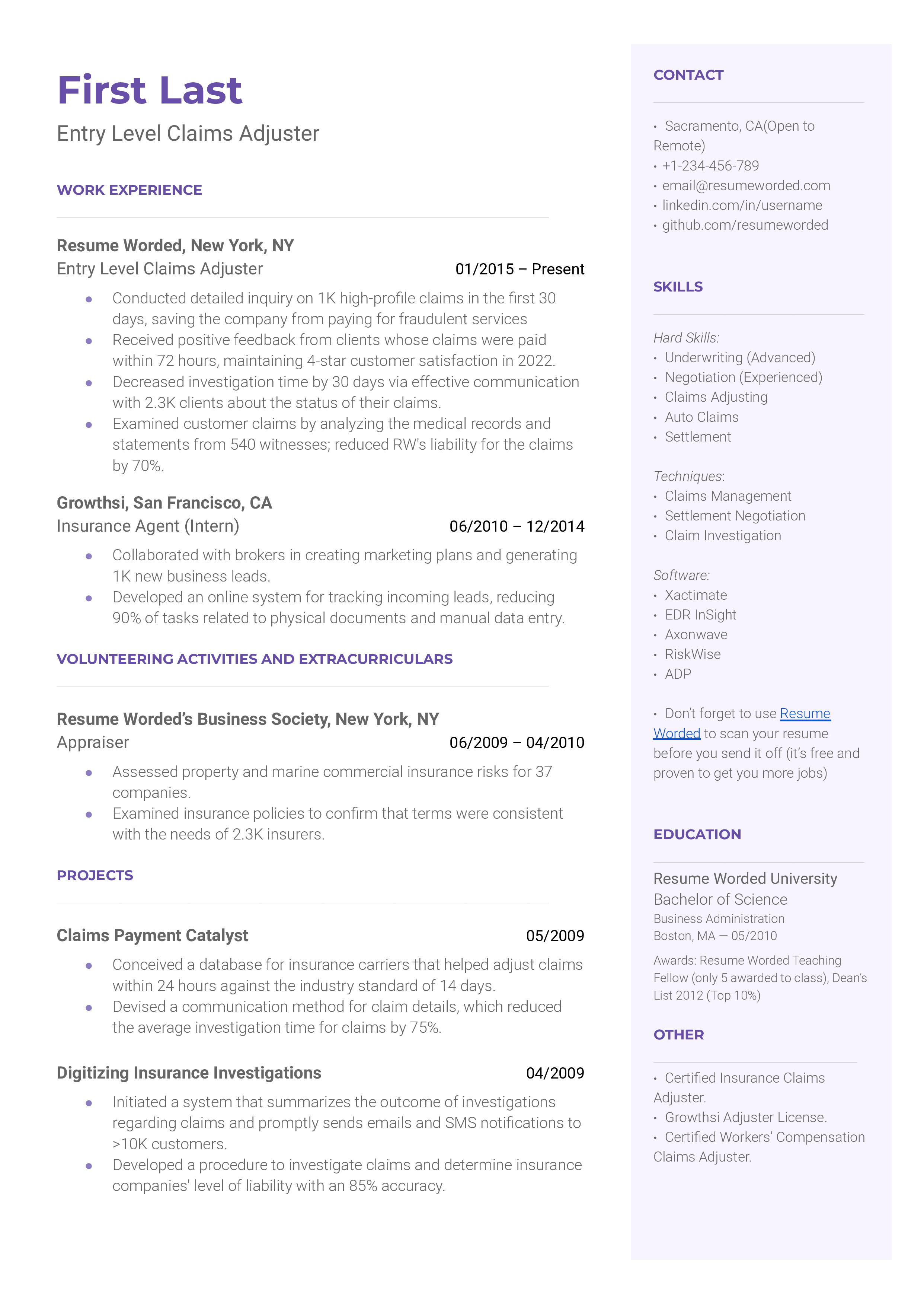
Do I need a specific degree for entry-level insurance roles?
No, most companies accept a wide range of degrees. While finance, business, or math can be helpful, many successful professionals come from liberal arts, communications, or even criminal justice backgrounds. The most important factor is your ability to learn and apply complex rules.
How long does it take to get licensed?
Most entry-level hires can complete their pre-licensing education and pass their state exam within 3 to 6 weeks. Many large insurance companies will hire you first and then provide a paid period specifically for you to study and take the exam.
Is it possible to move from auto insurance into other types of insurance?
Absolutely. Once you understand the core principles of risk, premiums, and claims, those skills are highly transferable to life, health, or even commercial and specialty insurance lines.


Comments
Post a Comment